What is Honesty?
Honesty is being truthful in what you say and do.
Honesty means telling the truth and acting truthfully. For kids, being honest means saying what really happened, not trying to trick others, and doing what is right even when it is hard.
For kids, being honest helps teachers, parents, and friends know they can trust you. Trust helps us get along with other people because it helps them know they can believe what we say and count on us to do what we say we'll do. When adults know they can trust you, they can feel more confident giving you more freedom and independence.
For a more complete / grown-up definition of honesty, see our Definition of honesty for adults. Scroll down for more about explaining honesty in simple words for kids, including examples, and free honesty teaching resources.

Explaining Honesty in Simple Words for Kids
Honesty in What You Say — Telling the Truth
What does it mean to tell the truth?
When we are honest, we speak the truth, which means we say what something really is and we say how things really happened. Saying things that aren't true, or that you think might not be true, or that you are making up to hide the truth — those are all types of lies. Lying is a form of dishonesty because you are saying something that isn't true.
Honesty Examples — Telling the Truth:
- If you made a mistake or broke a rule, honesty means admitting it — even if you might get in trouble. For example, if someone forgot to do their homework but told their mom they finished it, that's dishonest.
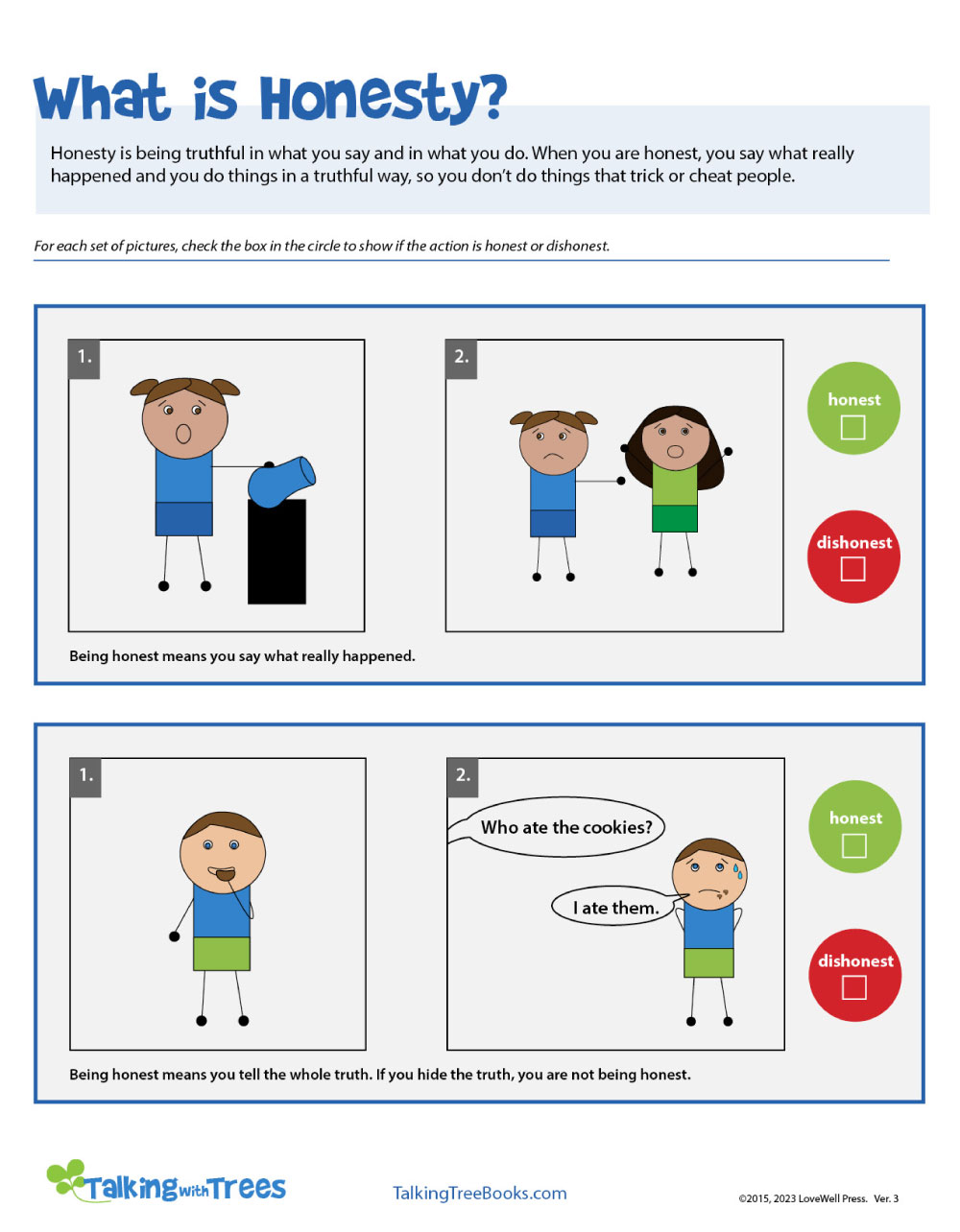
- Honesty means you explain how a situation really happened. You are not being honest if you say something happened one way when it really happened another way. For example, if you dropped a toy and broke it but say that your friend broke it, that's lying.
- Being honest means you don't say things about people that aren't true. For example, if someone makes up rumors about someone or shares rumors someone else made up, that's not honest.
What is telling the whole truth, and what are lies of omission?
Telling the whole truth means we tell all the important parts of what happened. If you leave out important things on purpose, especially if it's because you are hiding something, that's also dishonest. It's called a lie of omission. Sometimes kids think that staying quiet isn't the same as lying. But keeping quiet to hide the truth is still being dishonest.
Honesty Examples — Lies of Omission:
- Being honest means you tell the whole truth. For example, if your teacher asks what happened and you tell her most of the story but leave out the part that shows it was your fault, that's dishonest.
- Sometimes being silent is also dishonest if telling the truth would have been important. For example, if your mother asks "Who did this?" and it was you, but you don't say anything, that is dishonest.
Honesty in What You Do — Acting Truthfully
What does it mean to be honest in how we act?
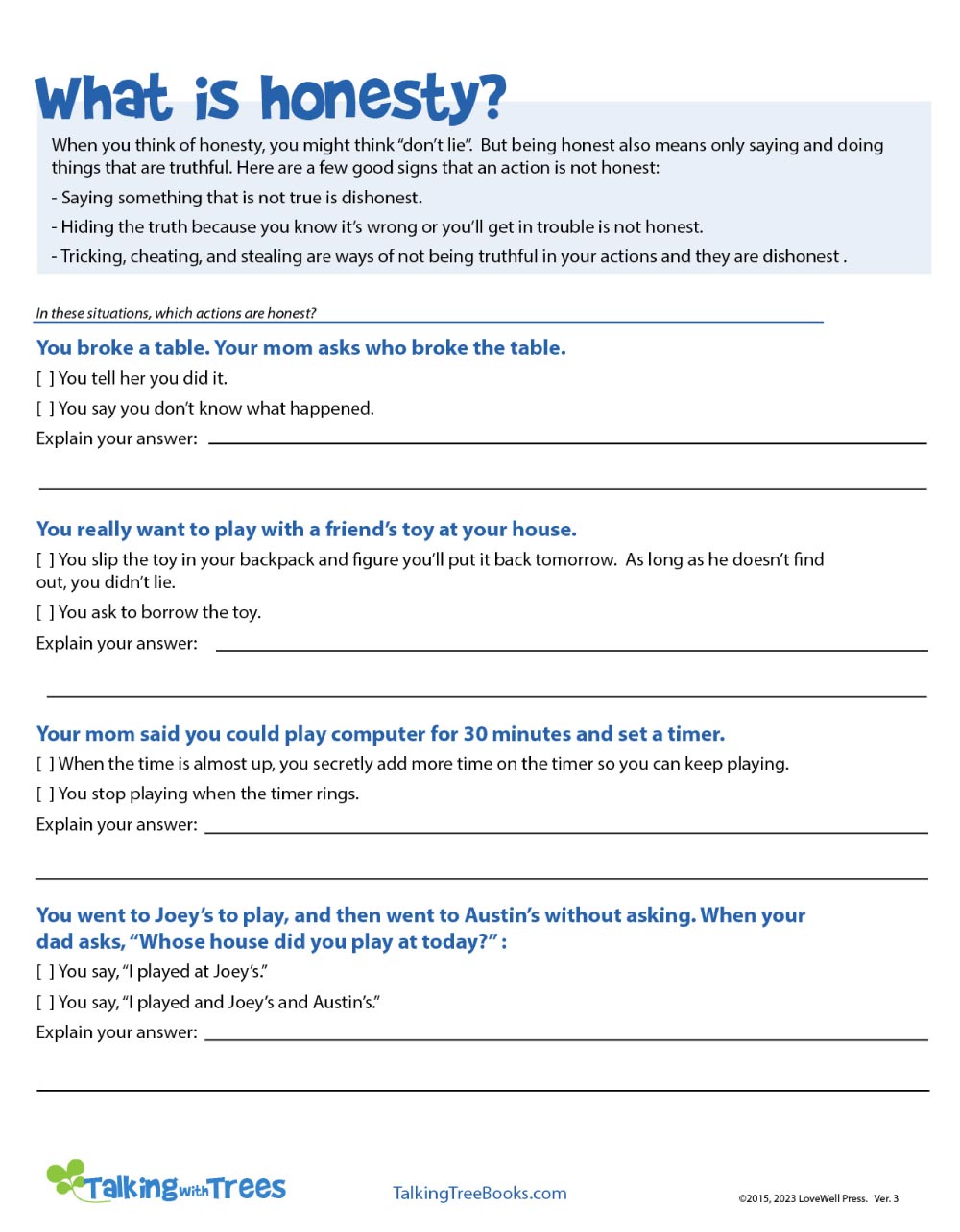
Being honest means we aren't trying to hide the truth, cheat, or trick others. Acting with honesty means we aren't pretending to do one thing when we're really doing something else.
This type of honesty is important because some actions hurt other people and make it hard for them to trust us. Actions like hiding the truth (deceiving), breaking rules to get an advantage (cheating), or taking something that isn't yours (stealing) are wrong and unfair — and they make it hard for people to trust each other.
Honesty Examples — Acting Truthfully:
- Acting honestly means you aren't trying to trick someone. If your parent uses a timer to limit how much time you spend on a video game, and you change the timer to secretly give yourself extra time, that's deceitful and a type of dishonesty.
- Being honest includes not breaking the rules to gain an advantage. If a player does something to their sports equipment that is against the rules because it creates an unfair advantage, that's dishonest.
- Hiding the truth can be dangerous. If someone tells a child to hide the truth from a trusted adult, like a teacher or parent, that's deceitful and it could be dangerous. Being honest can help keep you safe because parents and teachers can help you see the truth about someone's actions.
Honesty with Yourself
Being honest with yourself means telling yourself the truth about your own actions — not making excuses or convincing yourself something was okay when you know it really wasn't.
Honesty Examples — Being Honest with Yourself:
- Being honest with yourself means admitting the truth about your own actions. If someone doesn’t know the answer to a question on a test, then glances at someone else’s test and uses their answer, that’s cheating. If they tell themselves that they just happened to see the answer and they knew the answer anyway (even though they didn't), then they aren’t being honest with themselves about what they did.
- Being honest with yourself also means recognizing why you really did something. For example, if you shared a post on social media that you knew would make your schoolmate feel embarrassed, then it would be dishonest to tell yourself you didn’t know the person would be upset that you shared it.
Why is Honesty Important?
For kids, being honest helps teachers, parents, and friends know they can trust you. To have positive relationships with other people, we need to know we can trust what people say is real and that they aren't trying to trick or cheat us.
To see why honesty is important, imagine what life would be like if people weren't honest. How could we have positive friendships if our friends stole our toys, told lies about us, or cheated off of our work? Life would feel very uncertain and unsafe. Honesty is what makes it possible for people to trust you. When adults know they can trust you, they feel confident about giving you more freedom and independence. But if grown-ups can't be sure you'll make honest choices or be truthful about where you are going and what you are doing, it feels too unsafe for them to let you do more things on your own.
Honesty is one of the most important values we share in a community because it helps us trust each other enough to learn, live, and work together.
Teaching Kids About Honesty
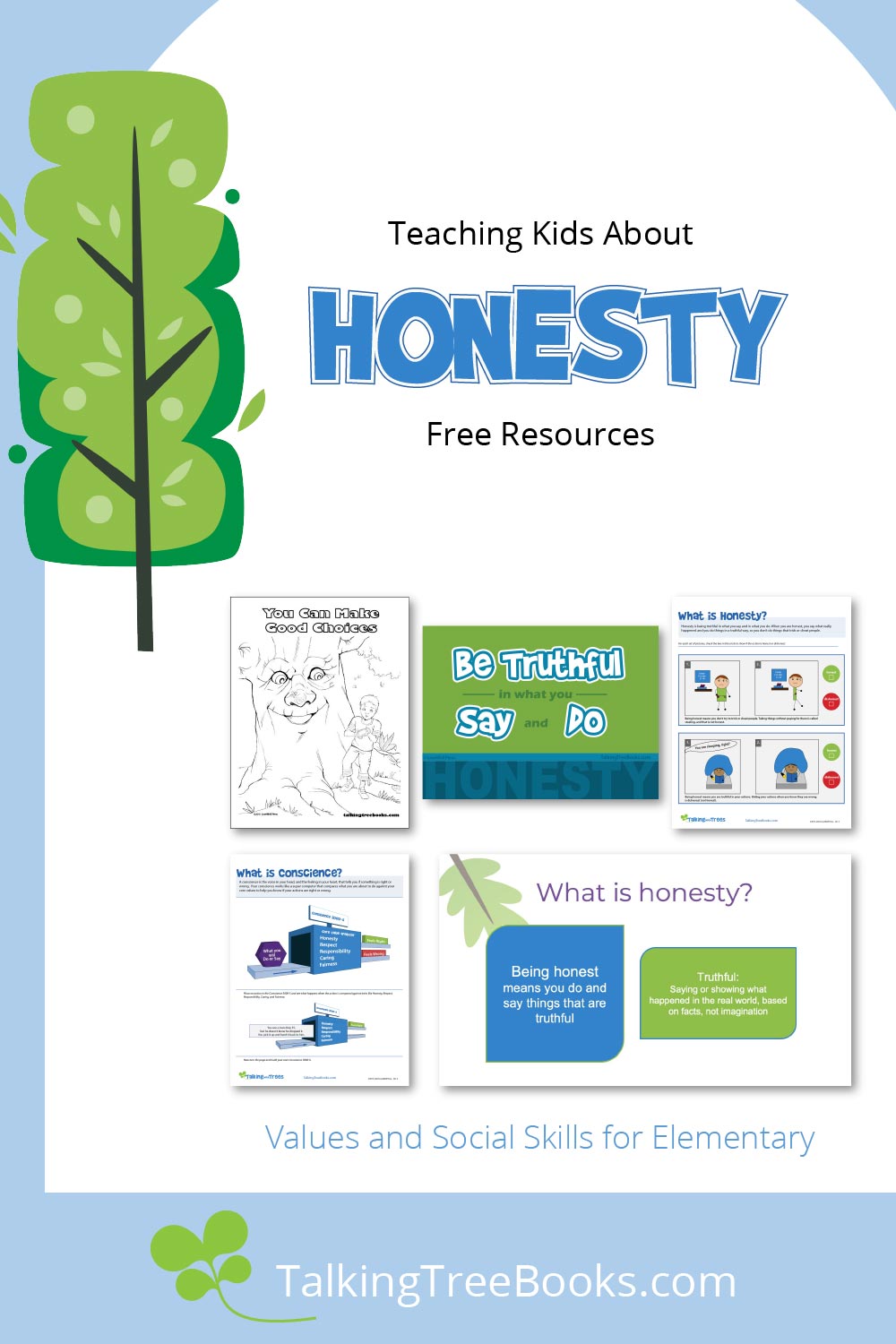
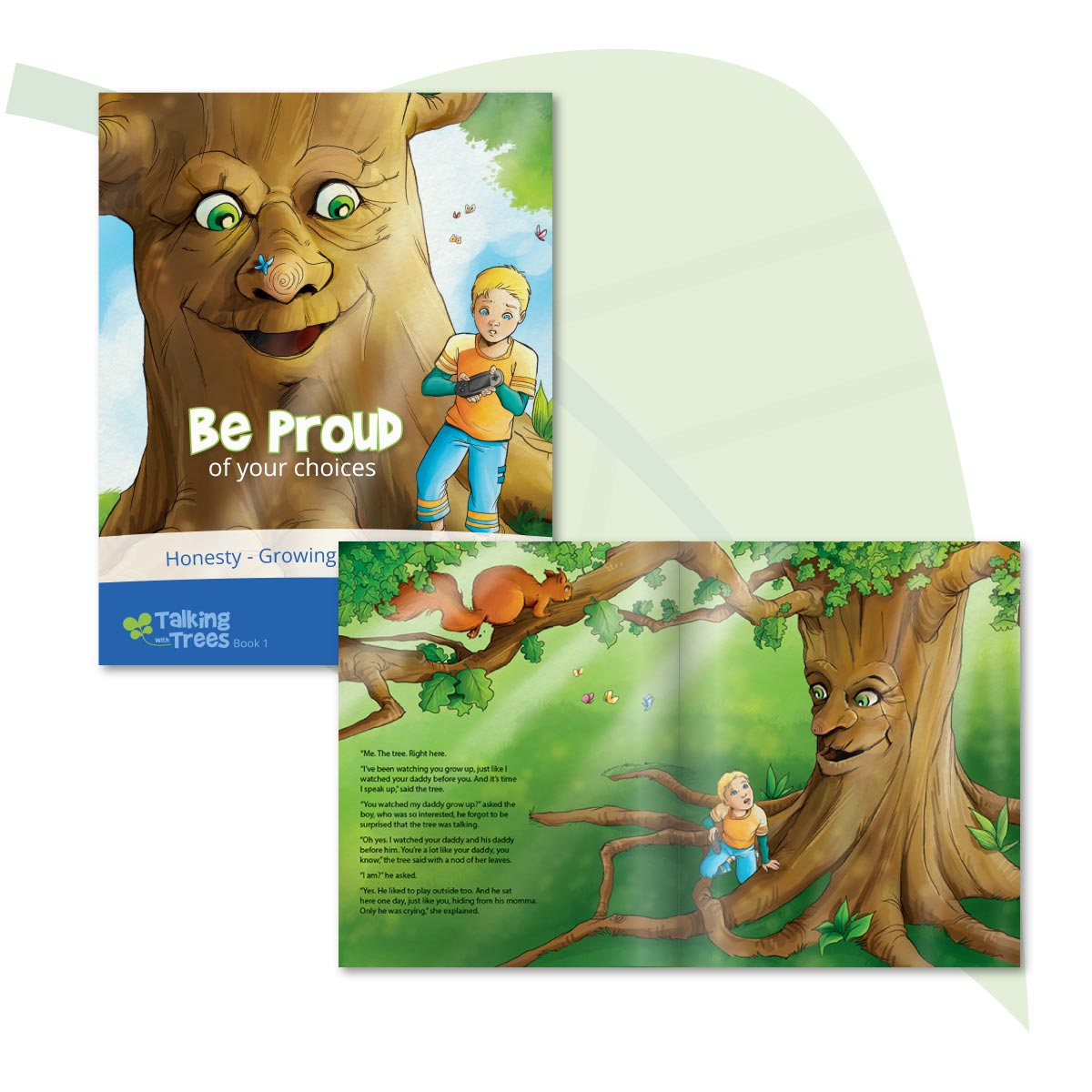
Need help talking to kids about honesty? Explore books and free teaching resources featuring explanations and examples kids can relate to. From worksheets and coloring pages to full lesson plans, Talking with Trees is ready to help you teach kids about honesty in an engaging way.
Free Honesty Teaching Resources

Colleen Doyle Bryant
Colleen Doyle Bryant is the author of five books and more than 50 learning resources about making good choices for the right reasons. Her Talking with Trees series for elementary students and Truth Be Told Quotes series for teens are used in curricula around the world. Rooted in Decency, Colleen’s most recent release, written for an adult audience, explores how the decline in common decency is affecting wellbeing, and how we can build more trust and cooperation. Learn more at ColleenDoyleBryant.com